
ROSH HASHANAH & YOM KIPPUR
Rosh HaShanah and Yom Kippur is the holiest day of the Jewish year. Called the “High Holy Days,” Historically Rosh HaShanah and Yom Kippur is a time for deep thought, self-examination and prayer. Rosh HaShanah means “Head of the Year.” This sacred season marks the start of the Jewish year. Instead of throwing parties Jews look back at the past year to decide which deeds were right and which were wrong. Because God is everywhere and knows the heart of every human being, self-examination is perceived as a way of searching for God.
In the story of Nicodemus, Jesus was asked how it was possible for a man to be born two times. Jesus responded by telling him, “that which is born of the flesh is flesh, and that which is born of the Spirit is spirit.” Jesus then explains that in order for Nicodemus to follow him, he must be “Born Again.” The New Year element of this sacred festival also emphasizes a New Covenant expression by commemorating the day of the believer’s spiritual birth in Jesus Christ and thereby reassessing their commitment and awesome responsibility in bearing the name, “CHILD OF GOD.”
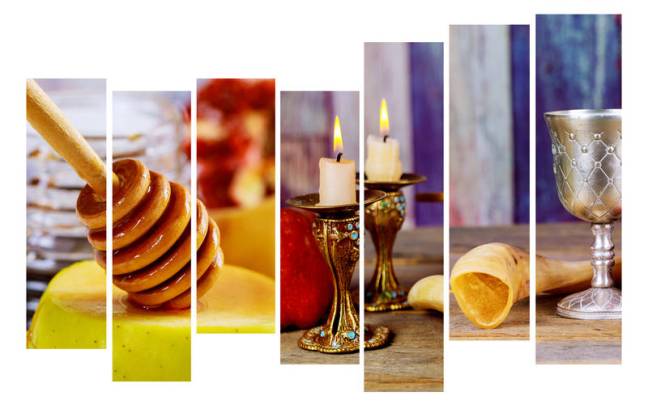
Rosh HaShanah is also called “Yom Tervah,” meaning, “The Day of the Shofar.” A shofar is a rams horn, a three thousand year old musical instrument that is blown in the synagogue during the Rosh HaShanah service. Its urgent sound is like a herald in the spirit calling people to, “Wake Up,” “Think!” The sound of the shofar seem to express the freedom given to every Child of God to change and be transformed and being excited about the opportunity to do so. The ten days between Rosh HaShanah and Yom Kippur are called the “Days of Awe.” The historic greeting during the ten days is “May your name be written in the Lambs book of life” (sound familiar?). These are tender times when people look at the past year and face up to their mistakes. This process of retrospect involves “Teshuvah,” which means, “Return or Repent.” Teshuvah is and age old observance during the High Holy Days that demonstrates the stages of true repentance. This is how it takes place:
First, you think about what you’ve done.
Second, is to apologize to God and the person offended (if possible), and
third, is to live with “mindfulness”.(never to offend the same way again)
Yom Kippur is the last day of the High Holy Days, and it is the climax of events. It is the closing of the gates to this season of grace in which we make things right with God. This day is more commonly known as “The Day of Atonement.” Yom Kippur literally means “The Day of Cleansing.” The day is spent studying and praying. It is a day to be at peace with God and oneself. There is a feast in the late afternoon on the eve of Yom Kippur and afterward everyone begins a 25 hour fast. The fast is appropriate because it is a reminder of how dependent we are upon God. It awakens the observer to the reality of how our time here on earth is like Yom Kippur’s “Season of Grace.” It causes one to realize the gates will one day close for every human being, either at their appointed time of death or at the Messiah Jesus return. In any case, the resounding message from the High Holy Days is “You Must Be Ready.”
The High Holy Days is considered the most sacred time of the Jewish year because it is the one holiday season that turns our hearts and minds to the reality of a coming Messiah, His sacred call upon our lives and to take serious account of how we have lived. This is a holiday that not only celebrates what God has done but also what is to come.
 Karen Gaithers-Life Discipleship